-
'Pure mathematics is, in its way, the poetry of logical ideas' - Albert Einstein
-
Maths gives us hope that every problem has a solution.
-
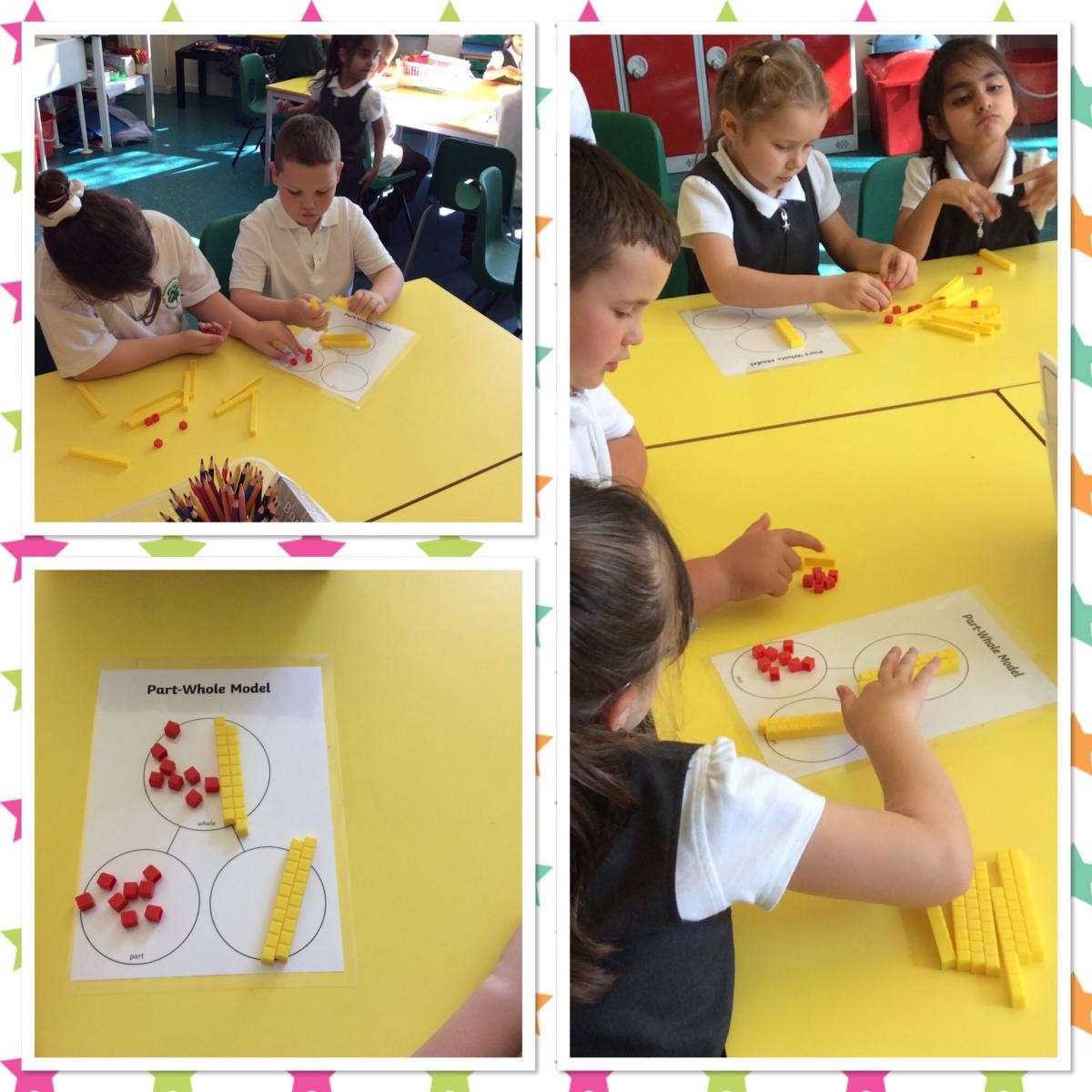
'Everything around you is mathematics. Everything around you is numbers' - Shakuntala Devi
-
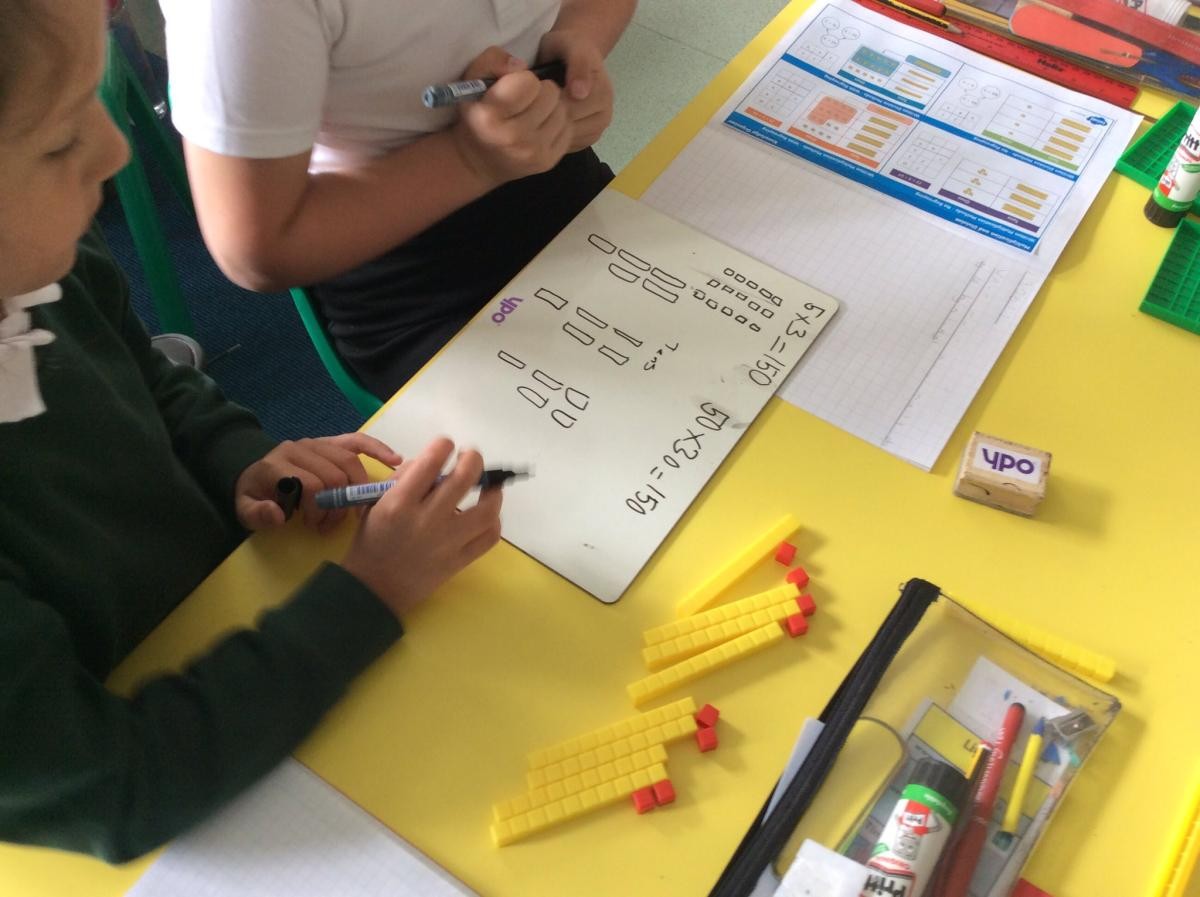
'Mathematics is the music of reason' - James Joseph Sylvester
-
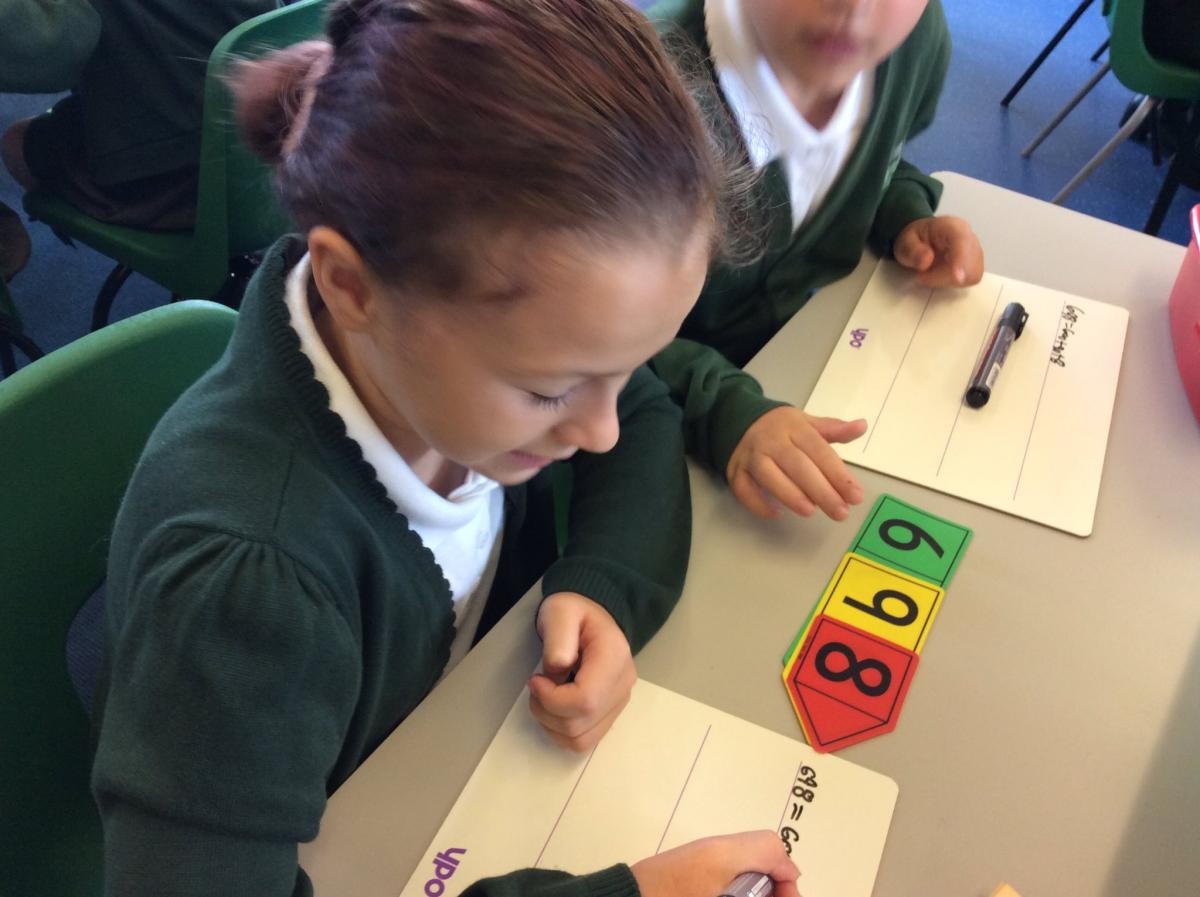
'Sometimes the questions are complicated and the answers are simple' - Dr Sues
-
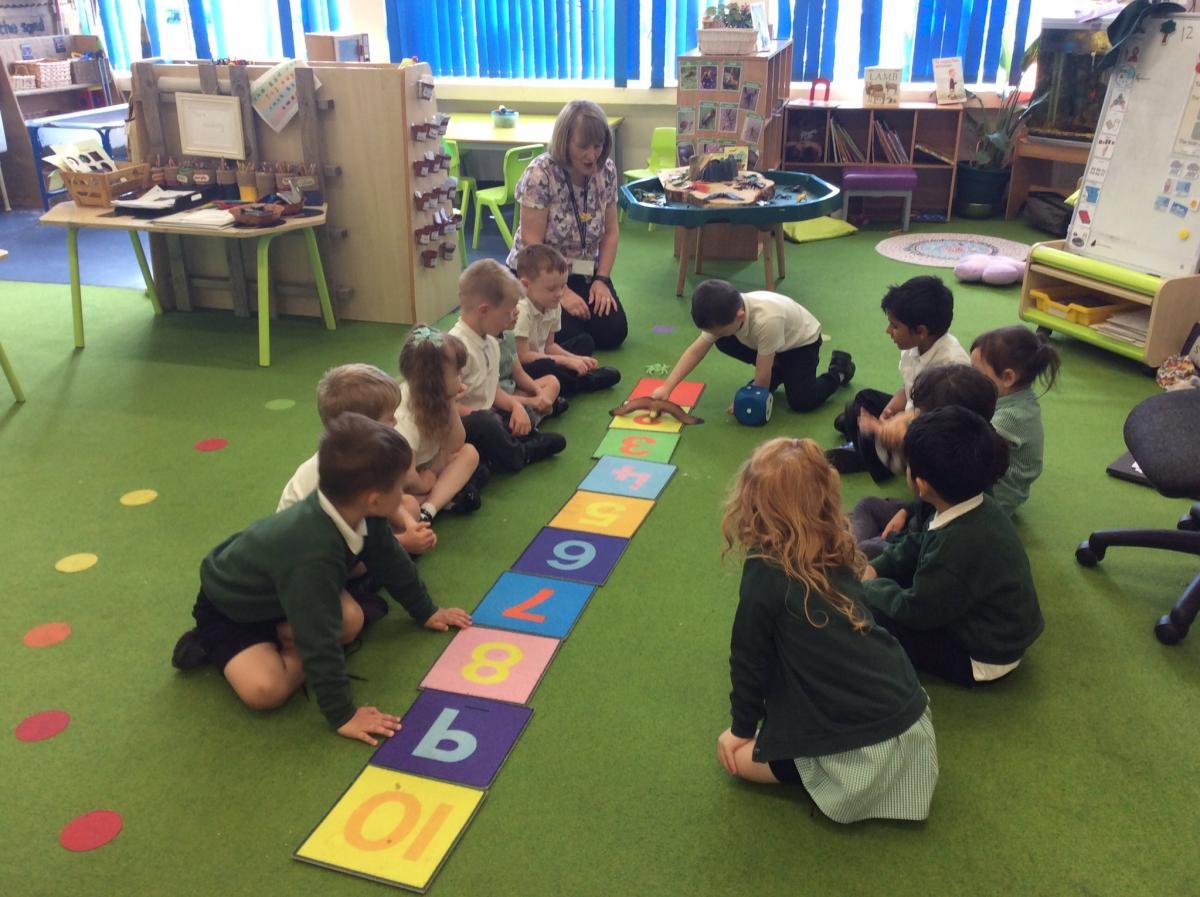
Maths is beautiful and fun.
-
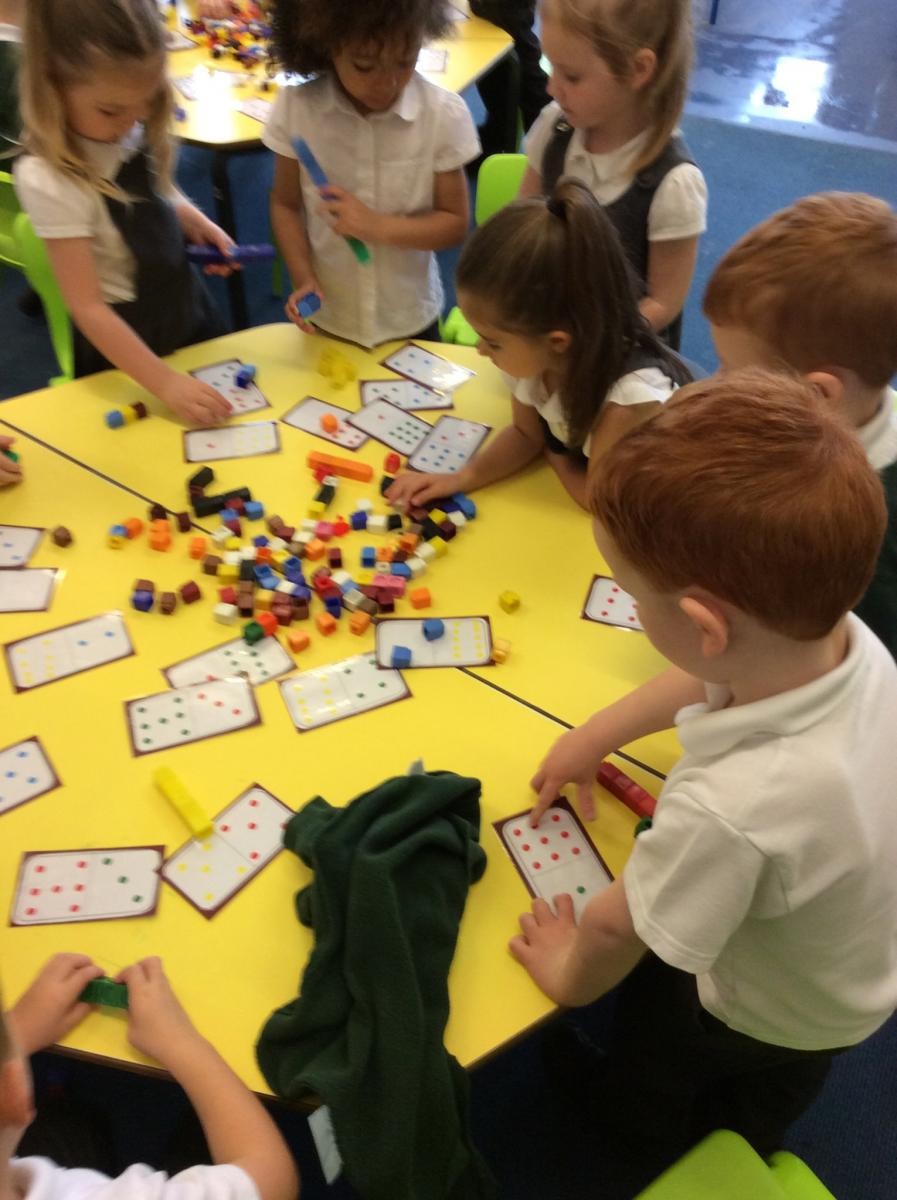
'The only way to learn mathematics is to do mathematics' - Paul Halmos
The new National Curriculum states that: “Mathematics is a creative and highly inter-connected discipline that has been developed over centuries, providing the solution to some of history’s most intriguing problems. It is essential to everyday life, critical to science, technology and engineering, and necessary for financial literacy and most forms of employment. A high-quality mathematics education therefore provides a foundation for understanding the world, the ability to reason mathematically, an appreciation of the beauty and power of mathematics, and a sense of enjoyment and curiosity about the subject.”
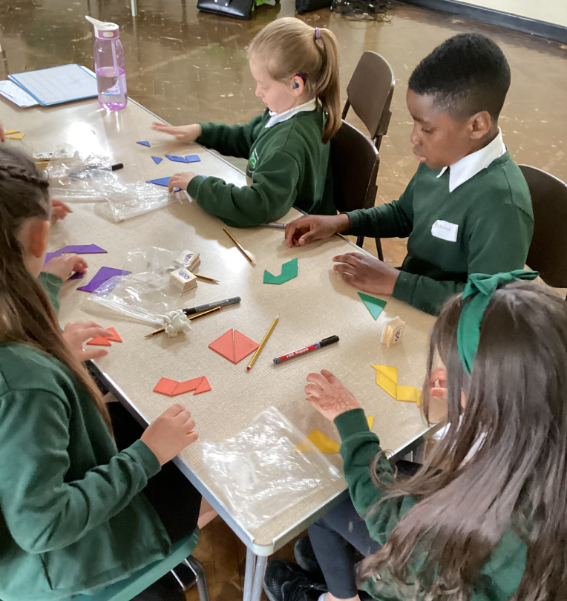
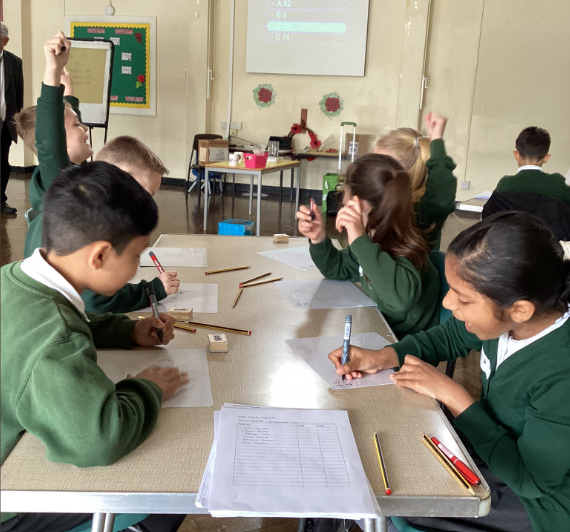
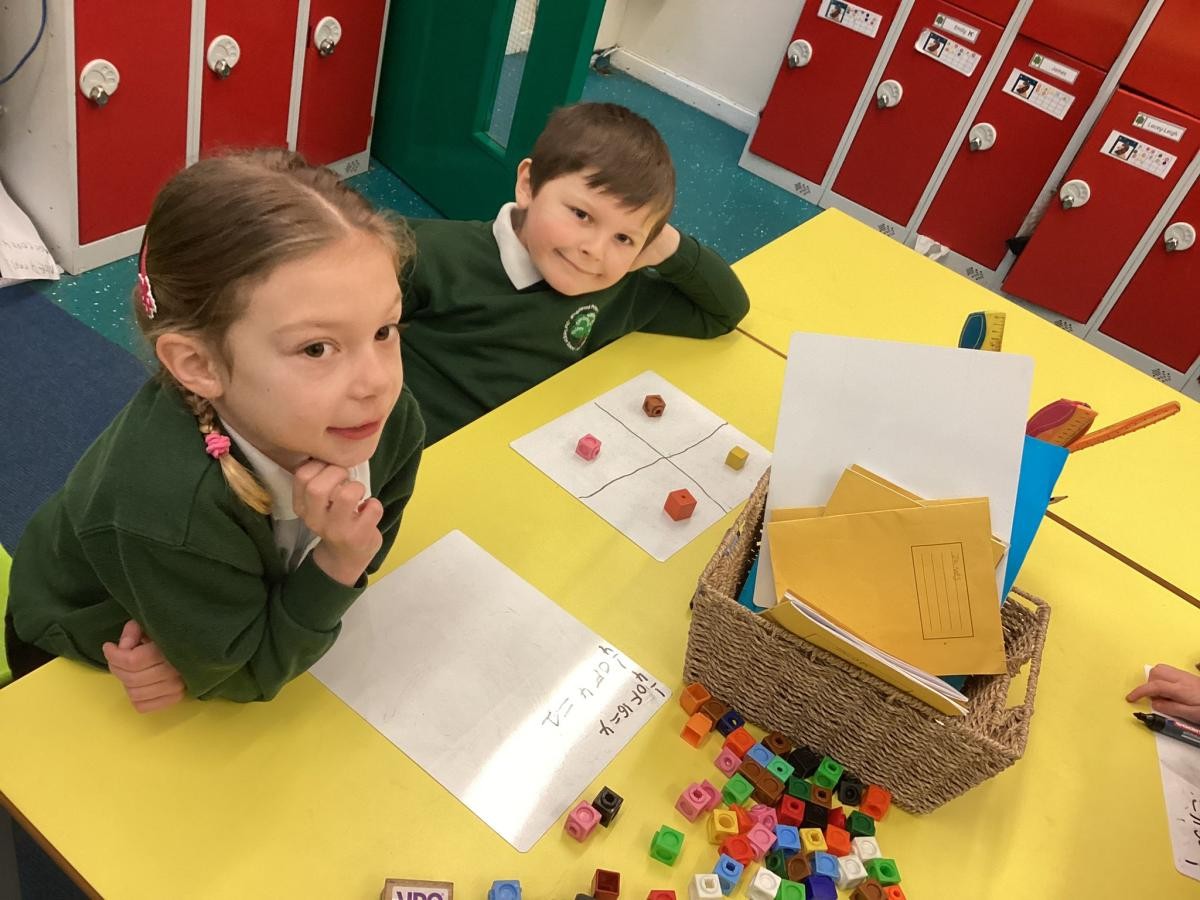
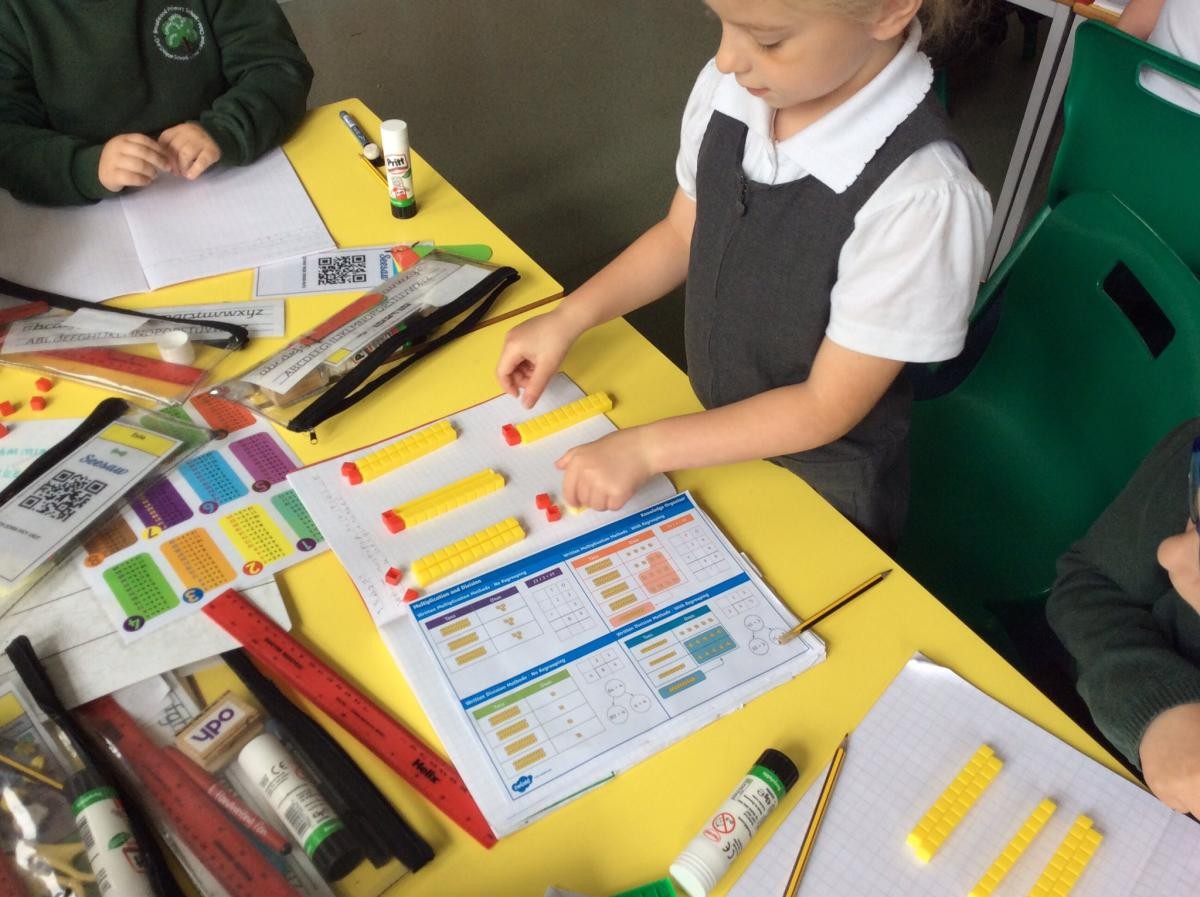
At Broadwood, it is extremely important to us that all children develop a love of mathematics. Our rich learning environment enables children to flourish, develop confidence and a ‘can do’ attitude. Our mastery approach curriculum is designed to enable children to make connections and apply their mathematics in context, developing transferable skills across all areas of the curriculum. It would be fantastic if all children left Broadwood primary school as confident problem solvers, pattern sniffers and collaborators, demonstrating skills such as resilience, articulation and reasoning. We will never give up on any child and believe all children are mathematicians.
Our curriculum is designed to meet the requirements of:
1) The 2014 curriculum which aims to ensure all pupils:
- Become fluent in the fundamentals of mathematics so that they are efficient in using and selecting the appropriate written algorithms and mental methods, underpinned by mathematical concepts
- Can solve problems by applying their mathematics to a variety of problems with increasing sophistication, including in unfamiliar contexts and to model real-life scenarios
- Can reason mathematically by following a line of enquiry and develop and present a justification, including in unfamiliar mathematical language.
2) The Early Years framework which aims to ensure all pupils:
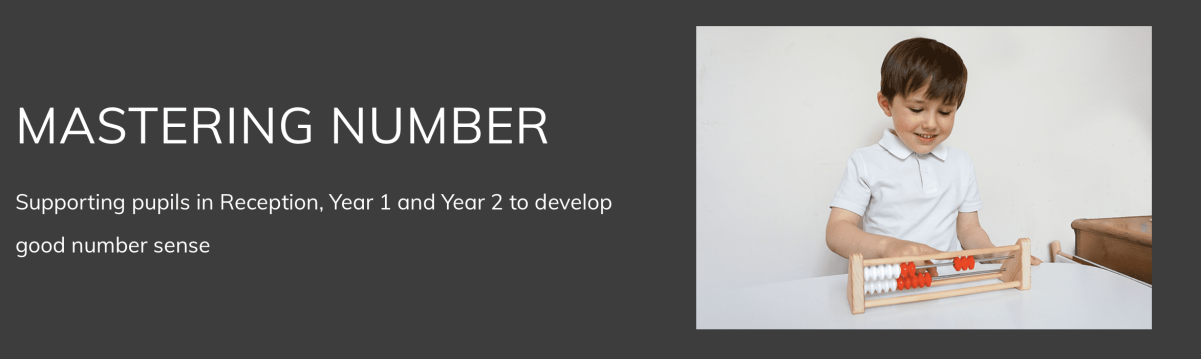
- Develop a strong grounding in number so that all children develop the necessary building blocks to excel mathematically.
- Develop positive attitudes and interests in mathematics, look for patterns and relationships, spot connections, ‘have a go’, talk to adults and peers about what they notice and not be afraid to make mistakes
And this is done through three key areas; Number, Patterns and Connections and Spatial Reasoning.